

Get to Know: The Babylan (Philippine Eagle)
We knew from the very beginning that we wanted to represent the Philippines in our game and have one of our Adventurers be from there. The Philippines has a rich history, diverse environments and is personally important to our own family story.
For our Adventurer, we fell in love with the Philippine Eagle and chose her to be the healer of the group. She would be physically imposing, but truly tender at heart. She would be the Babaylan, a Filipina shaman who protects and heals!

The Queen of the Philippine Jungle
The Philippine Eagle is one of the largest, most powerful birds in the entire world. Standing three feet tall with a massive seven-foot wingspan, this incredible creature lives only in the tropical rainforests of the Philippines. For hundreds of years, indigenous groups like the Bagobo people have revered the eagle, viewing it as a sacred guardian of the forest and a link to the spirit world. In 1995, the government officially declared it the national bird to represent the strength, resilience, and unique heritage of the Filipino people.

(Copyright 2024 Jerry Nguyen)
A Critical Role in Nature
This magnificent bird plays a vital role as an apex predator, which means it sits at the very top of the food chain. Because it loves to hunt monkeys, flying lemurs, and large snakes, it helps keep the entire forest ecosystem healthy and balanced. Sadly, these birds are now critically endangered, with only about 400 pairs left in the wild. Each pair needs a massive amount of forest territory—about the size of 13,000 football fields—to find enough food and raise just one single chick every two years.

(Copyright 2024 Jerry Nguyen)
Protecting a National Treasure
Today, the Philippine Eagle is a powerful symbol of modern conservation and teamwork across the globe. Communities, scientists, and students are working hard to stop deforestation and protect the eagle's mountain homes from logging. Saving this majestic bird means saving hundreds of other unique plants and animals that share its beautiful habitat. By learning about this awesome creature, young people are discovering how protecting one special animal can help heal an entire planet.
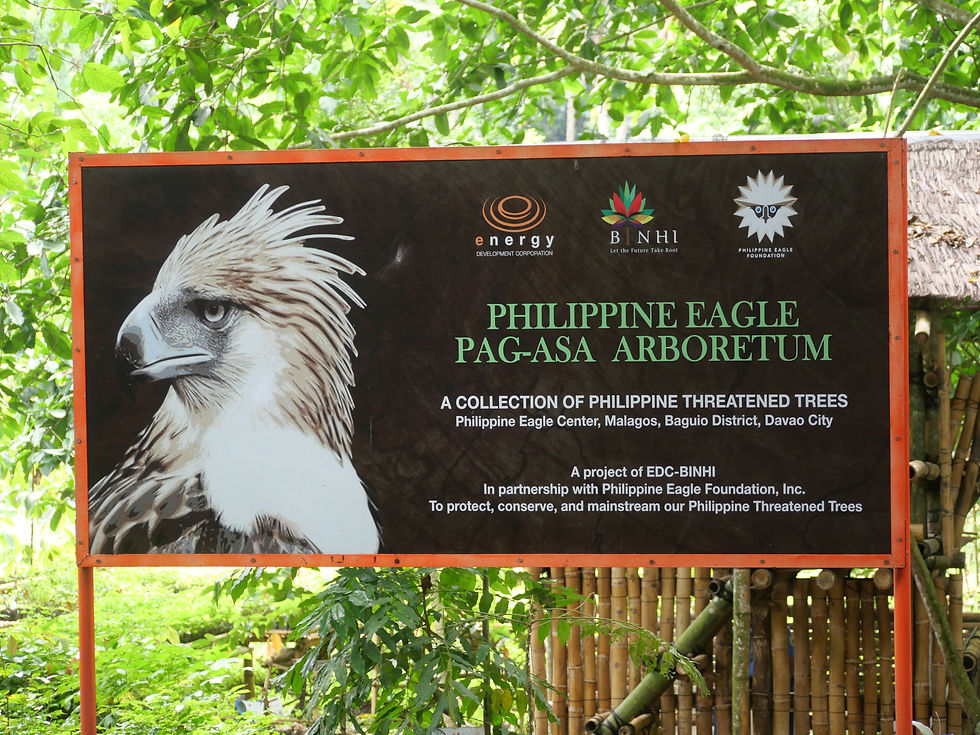
(Copyright 2024 Jerry Nguyen)
Bibliography:
📜 Official Proclamations and National Symbols [1]
National Bird Designation: On July 4, 1995, President Fidel V. Ramos officially declared the Philippine eagle as the country's national symbol under Proclamation No. 615, series of 1995.
Cultural Representation: The transition from the small "Maya" bird to the massive eagle was designated to reflect the strength, independence, and pride of the Filipino people, as archived by history portals like the Kahimyang Project. [1, 2, 3, 4]
🦅 Physical Dynamics and Habitat Specs
Size and Wingspan: Scientific measurements indicating a height of roughly 3.3 feet (1 meter) and a broad wingspan averaging 6.5 to 7 feet (2 meters) are verified through the comprehensive database at Encyclopedia Britannica.
Nesting and Range Demands: Information regarding their slow reproductive cycles (laying one egg every two years) and the vast territorial requirements needed per breeding pair is sourced from foundational research published via ResearchGate's Raptor Records and updated avian logs on Wikipedia's Philippine Eagle Directory. [5, 6, 7]
🌲 Ecological Role and Indigenous Folklore
Apex Predator Diet: Documentation of the eagle's diet (monkeys, flying lemurs, and snakes) and its role as a critical environmental health indicator can be reviewed in detail via The Peregrine Fund Global Raptor Database and the Raptors International Conservation Files.
Cultural Significance: Accounts regarding the connection between ancestral lands, regional folklore (such as the legendary creation bird Manaul), and mountain-based indigenous stewardship are outlined by the Cornell Lab of Ornithology's Birds of the World. [1, 3, 8, 9, 10]
🛡️ Modern Population and Conservation Status
Endangered Status Counts: Current tracking showing that the species is critically endangered with roughly 400 breeding pairs remaining in the wild is documented in the 2026 Reference Genome Report on BioRxiv.
Conservation Teams: Details concerning localized preservation strategies, rainforest logging limits, and community-led protection groups are provided directly by the Philippine Eagle Foundation. [11, 12, 13, 14]


Comments